

.jpg)






KEY ARTICALE TAKEAWAYS
Rental yield is a critical benchmark for real estate investors looking to maximize their return. Simply put, it's a percentage representing the income a property generates relative to its total value.
According to HouseCanary’s Market Pulse, single-family rental inventory rose 22% year-over-year, while median listed rent dipped slightly by 1% in June 2025. In a shifting market like this, calculating rental yield becomes even more essential to identifying high-performing properties.
In this post, we’ll explain how to calculate both gross and net rental yield, what a strong yield looks like in today’s market, and how to use our free calculator to quickly evaluate your next investment.
Key Takeaways
- Rental yield helps compare investments: It shows how much income a property generates relative to its value, making it a quick way to evaluate return potential across markets.
- Gross vs. net yield offers different insights: Gross rental yield is a simple snapshot, while net rental yield offers a better picture of profitability after expenses.
- HouseCanary makes yield analysis smarter: With localized rent data and future value forecasting, HouseCanary helps investors identify high-yield opportunities with greater confidence.
What Is Gross Rental Yield vs. Net Rental Yield?
Rental yield expresses a property's income return each year as a percentage of its value. This percentage helps investors proactively track property performance.
Rental yield can further be broken down into two main types: gross rental yield and net rental yield.
- Gross rental yield: The annual rental income divided by the property’s purchase price (or current market value), shown as a percentage. It doesn’t account for any expenses, so it's a high-level indicator of potential return.
- Net rental yield: Provides a more specific outlook by factoring in ongoing costs like property taxes, insurance, maintenance, and property management fees. It reflects your actual return after expenses.
Both metrics are useful; however, gross yield allows for quick comparisons, while net yield assesses actual profitability.
How to Calculate Rental Yield
To calculate gross rental yield, you’ll need three main inputs:
- Rental income: The total rent collected from tenants each year
- Operating expenses: Ongoing costs like property taxes, insurance, maintenance, and management fees
- Property value: Either the purchase price or the current market value of the property
That’s where net rental yield takes it a step further. It subtracts annual operating expenses from rental income before dividing by the property value.
.png)
Why Rental Yield Matters for Real Estate Investors
Rental yield allows investors to compare a quick snapshot across markets and evaluate the potential return. Beyond basic ROI, rental yield also connects to broader investment goals.
Investors focused on long-term cash flow can use it to gauge whether a property will cover expenses and generate income month after month. Those with a lower risk tolerance may favor properties with steady, high yields in stable markets.
Rental yield can also help identify over- or underpriced properties. An unusually low yield might signal that the asking price is too high for the rental income it generates. Conversely, a high yield could point to undervalued properties, especially those in up-and-coming neighborhoods.
To get a fuller picture of a property's earning potential, it's important to understand how rental yield compares to other key metrics.
What Is a Cap Rate vs. Rental Yield vs. Cash-on-Cash Return?
While rental yield, cap rate, and cash-on-cash return all measure potential return, they each highlight different aspects of a real estate investment.
Together, these metrics give a more complete picture of both property performance and investment efficiency. Smart investors often use real estate investment software to make well-rounded decisions and analyze all angles.
What Is a Good Rental Yield?
A “good” rental yield can vary widely depending on your market, financing structure, and investment goals. Generally, a healthy gross rental yield falls between 5% and 8%.
Yields may be higher in high-demand or lower-cost markets, while lower yields might still be acceptable in more expensive areas if the property offers strong long-term appreciation.
Location is also a key factor. According to HouseCanary’s proprietary data, yields generally tend to be highest in the deep south, high plains, and Midwest, and lowest in more expensive markets like the West Coast and New England.
Short-term rentals like vacation properties can generate significantly higher yields compared to long-term leases. However, they also involve more risk, higher management costs, and potential seasonal fluctuations. Long-term rentals typically provide more stability and predictable income, which many investors prefer.
Tips to Improve Rental Yield
Improving your rental yield means increasing income or lowering expenses to boost your overall return. Here are several ways to maximize your rental yield:
- Increase rent strategically: Research housing market forecasts and adjust your rent to stay competitive while maximizing income.
- Reduce vacancies: Keep the property well-maintained and respond quickly to tenant needs to encourage longer leases.
- Minimize operating expenses: Shop around for insurance, maintenance, and property management to lower costs without sacrificing quality.
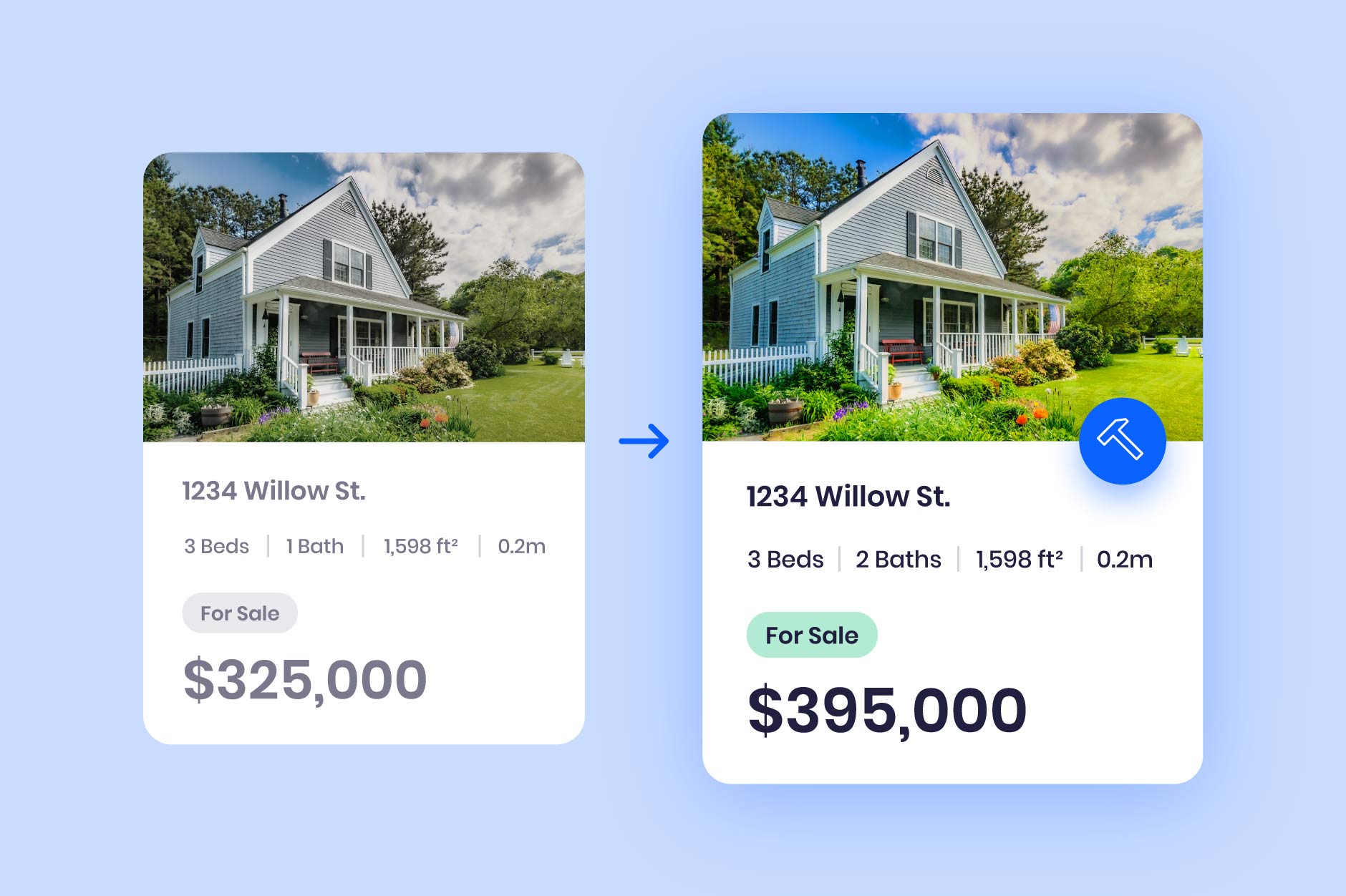
- Invest in value-adding upgrades: Small improvements like new appliances or fresh paint can justify higher rents and attract better tenants.
- Screen tenants carefully: Reliable tenants help ensure steady rent payments and reduce the risk of costly evictions.
.png)
Maximize Rental Potential with HouseCanary
HouseCanary’s rental yield calculations factor in localized rent estimates, property condition, and future value forecasts, giving you a clearer picture than generic comps. Whether you're buying or managing, we make it easy to identify high-performing properties and avoid overpriced risks.
Rental yield is one of the most important metrics for evaluating return on investment. Learn more about how we calculate a full rental analysis using industry-leading property data. Use our rental yield calculator above to quickly estimate potential returns and compare properties with confidence.
Ready to take the next step? Try our Property Explorer and CanaryAI to find your next high-yield property.
Frequently Asked Questions
No items found.






.jpeg)